
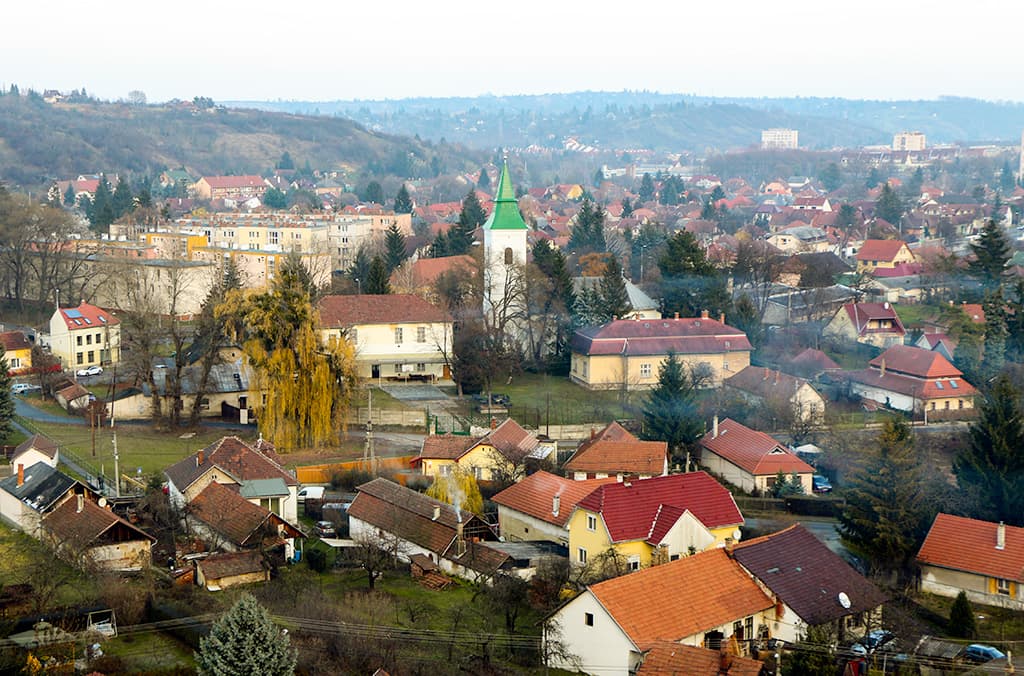
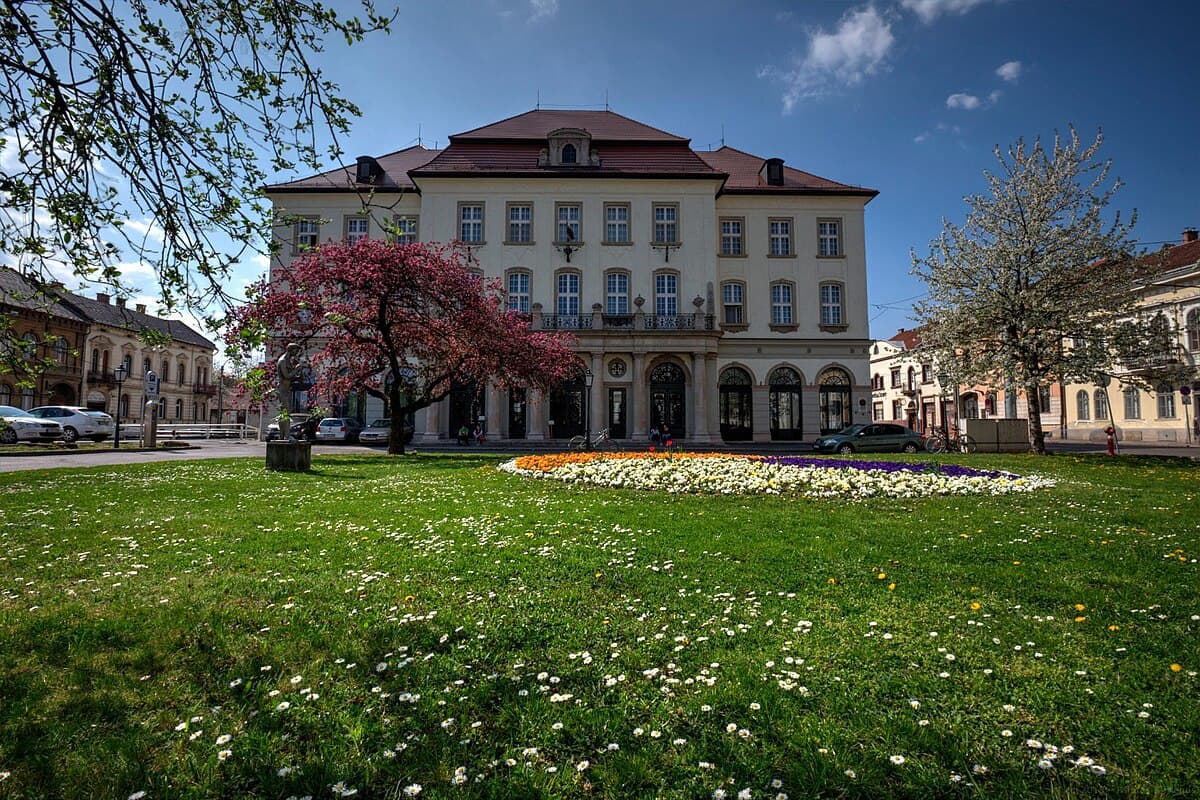
The Béla Bartók Music Institute, part of the University of Miskolc, is located within the iconic Palace of Music (Zenepalota), a neo-baroque architectural masterpiece completed in 1927. This landmark building stands at the heart of Miskolc and has served as the cultural center of the region for nearly a century. The institute offers advanced training in performance, composition, musicology, and education, while its grand concert hall, celebrated for its exceptional acoustics, regularly hosts student recitals, public concerts, and major cultural events. Together, the Bartók Institute and the Palace of Music form a vibrant hub of artistic life in northeastern Hungary, honoring the legacy of one of the country’s greatest composers.
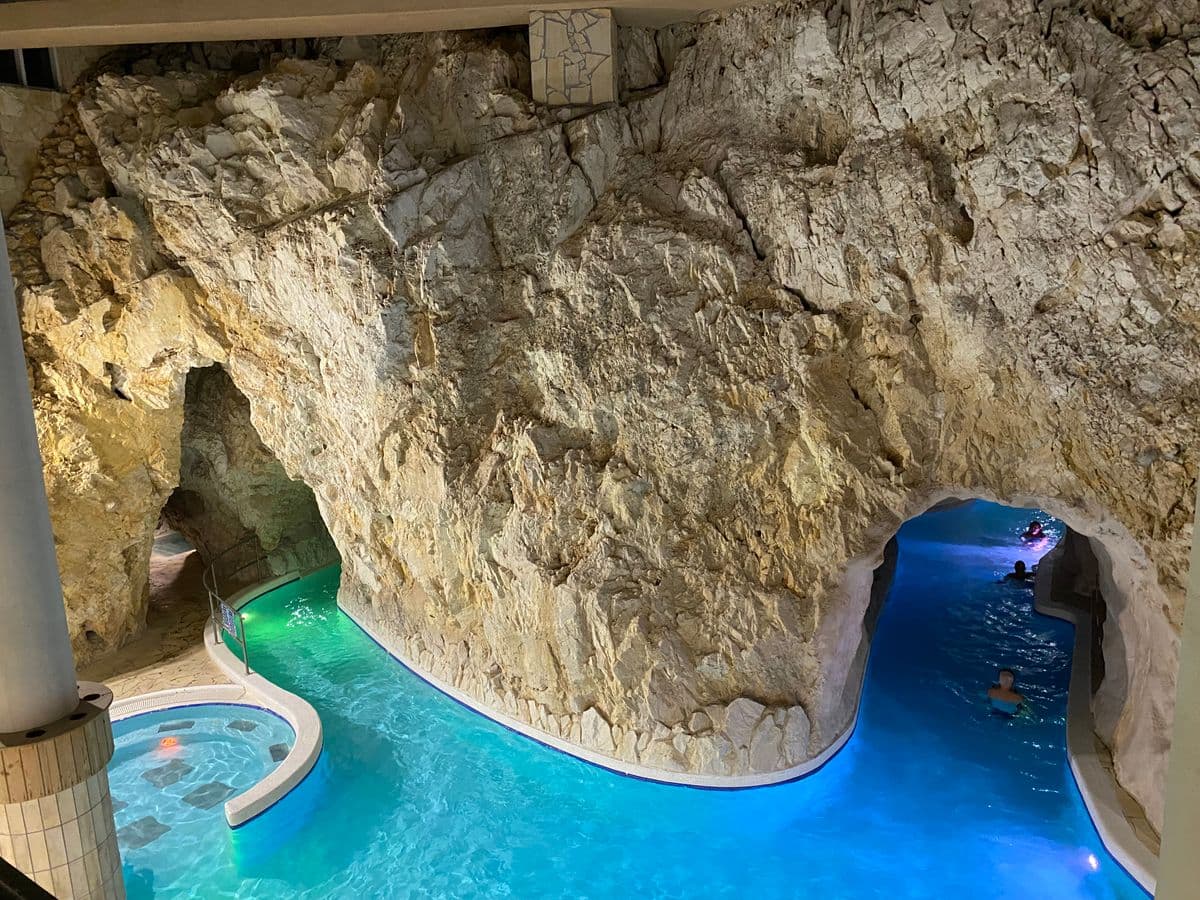
The Cave Baths in Miskolctapolca offer a one-of-a-kind experience: bathing in warm thermal water inside natural limestone caves. With pools winding through caverns and therapeutic mineral water held at 30°C, the site is both relaxing and medically beneficial. Whether visiting in summer or winter, guests can enjoy the calm ambiance of echoing chambers and soft lighting, a spa experience found nowhere else in Europe.
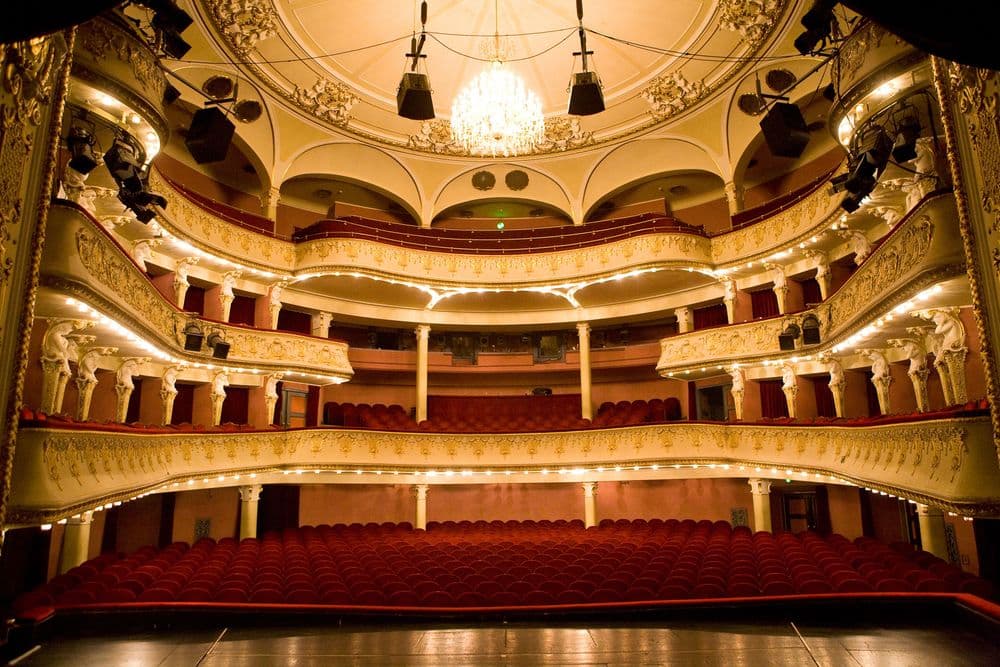
One of Hungary’s oldest and most storied theatres, this elegant Neo-Baroque and Classicist building dates from 1857 and seats around 670 in its grand hall. Beyond hosting gala concerts and large ensemble performances, the theatre stages a wide repertory, from drama and opera to ballet and contemporary works, making it a vibrant cultural landmark in the city center.
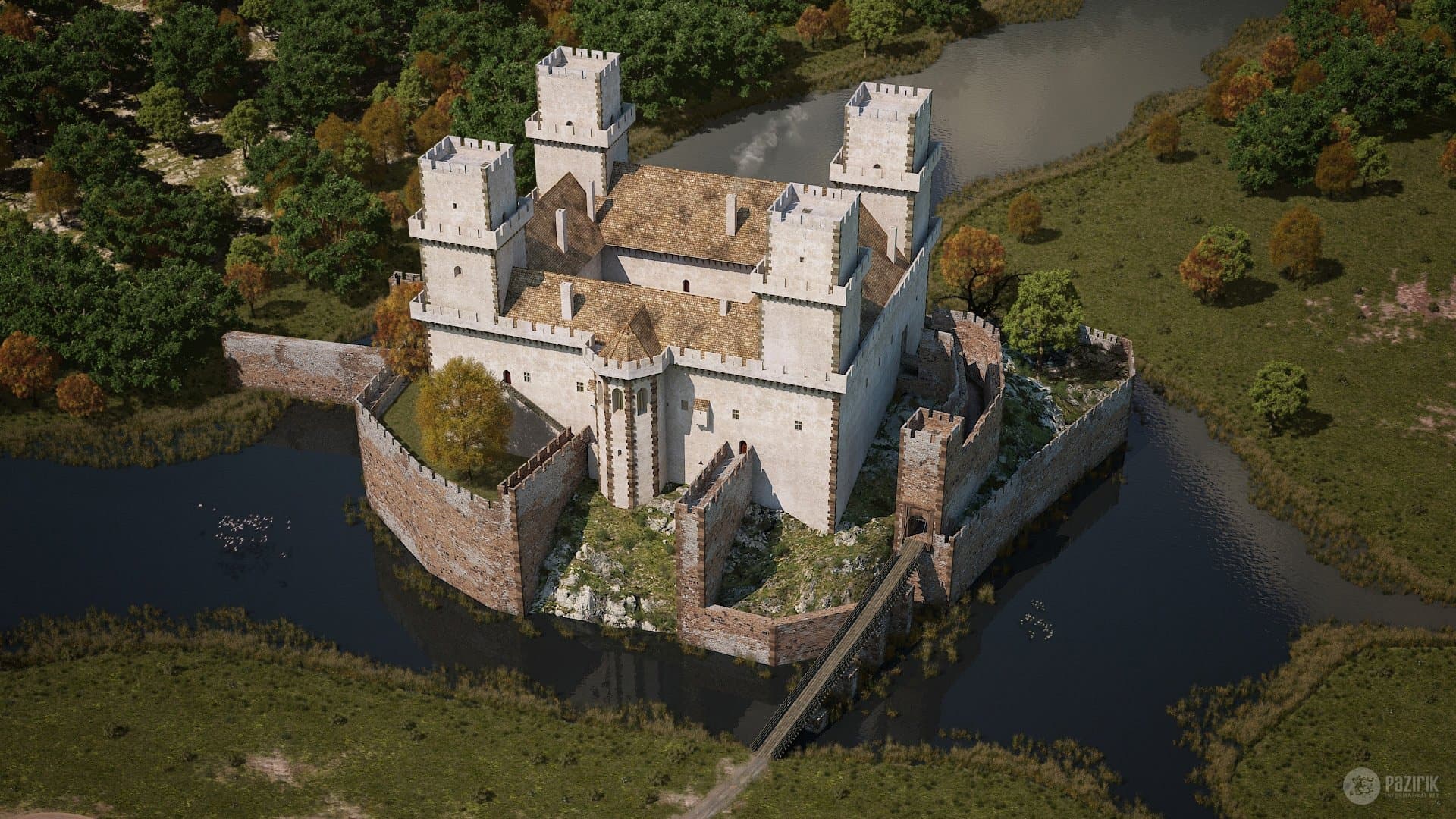
This restored medieval castle, originally built in the 12th century and rebuilt in Gothic style after the Mongol invasion, stands as one of Hungary’s most significant historical landmarks. Once a royal residence and a wedding gift for Hungarian queens, the castle now offers immersive exhibitions and medieval reenactments. Visitors can explore furnished chambers, climb the towers, and imagine life during the reign of King Louis the Great.
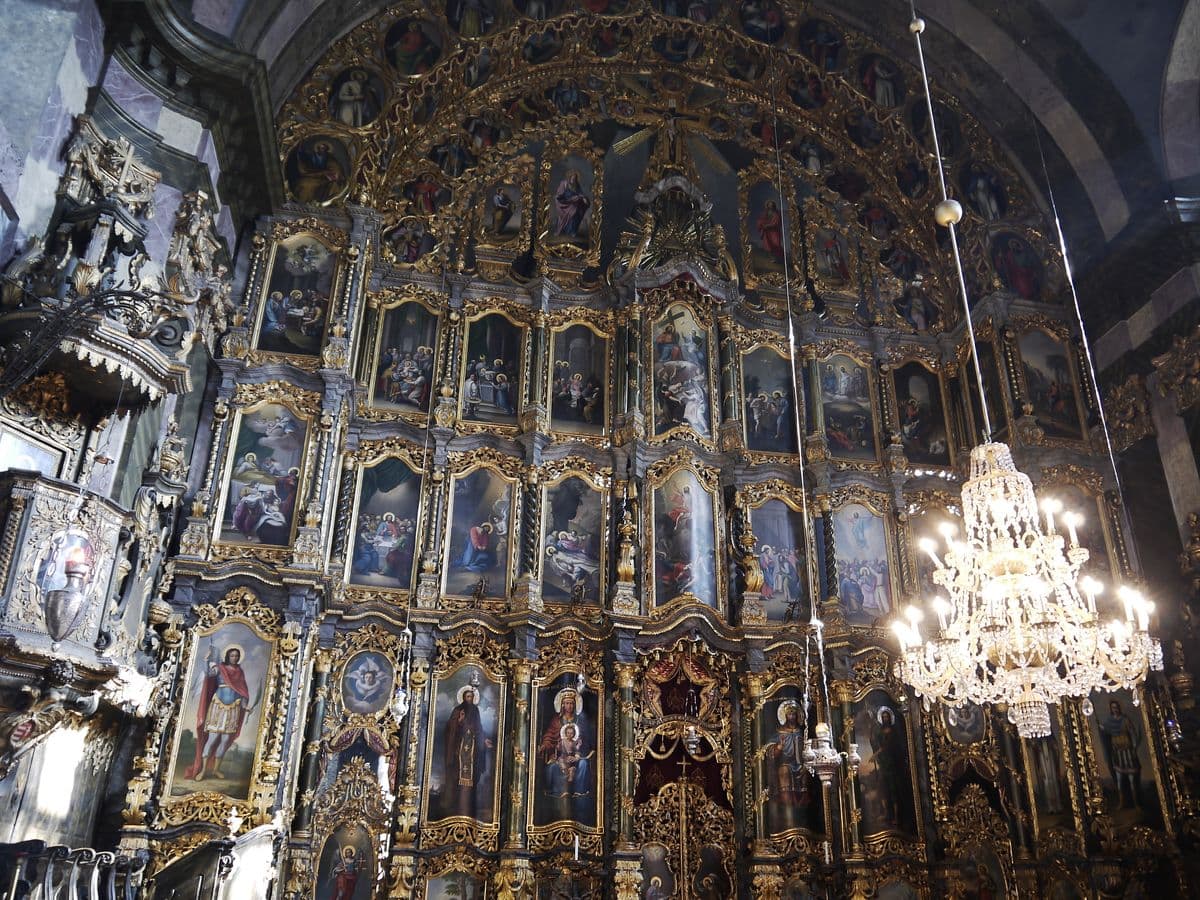
Built between 1785 and 1806, this church is one of the most impressive examples of Zopf-style architecture in Hungary. Its highlight is the 16-meter-tall iconostasis with 88 intricately painted scenes from the life of Christ, many created by Viennese painter Anton Kuchelmeister. The adjacent Orthodox Liturgical Museum houses Hungary’s richest collection of Orthodox religious art, including icons, vestments, and goldsmith works from the 18th and 19th centuries.
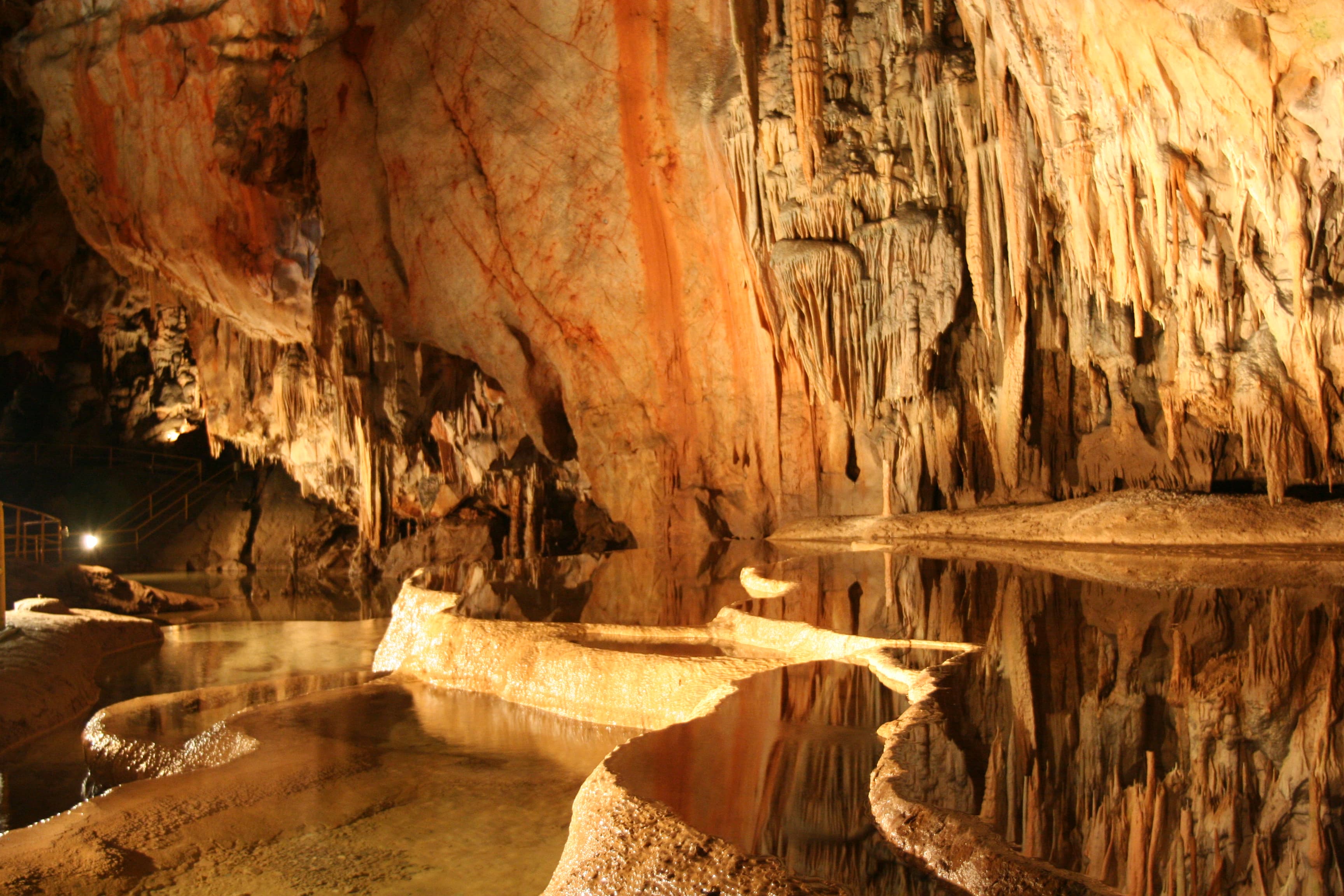
The Caves of Aggtelek Karst, shared by Hungary and Slovakia, form one of the most extensive and geologically diverse karst cave systems in Europe. Designated a UNESCO World Heritage Site in 1995, the area is home to more than 1,000 caves stretching over 55,000 hectares. These caves were formed by both temperate and tropical climatic processes over millions of years, resulting in an extraordinary variety of stalactite formations, underground rivers, and cavernous halls. The Baradla Cave, the most famous and accessible of them, offers guided tours with dramatic lighting and natural acoustics, sometimes used for concerts. The caves are not only a natural wonder but also an important site for scientific research, with fossil finds and unique subterranean ecosystems.